Beauty Packaging Is Getting Smarter, Cleaner, and More Human
For a long time, beauty packaging did three things: look good on shelf, protect the formula, and keep costs in check.
Today that brief has a longer wish list: reduce plastic waste, meet EPR requirements, serve consumers with limited dexterity or vision, and stay competitive in a crowded market.
And brands are getting more and more creative to meet these demands. Here are the trends and innovations we’re seeing across the beauty packaging landscape right now.
Protecting What’s Inside
Beauty products are as good as their efficacy. But, efficacy claims mean nothing if the formula degrades before the consumer can fully utilize the product. As formulations get more sophisticated: specifically to feature more actives, fewer preservatives, while still wanting to deliver high efficacy, the packaging has to keep up.
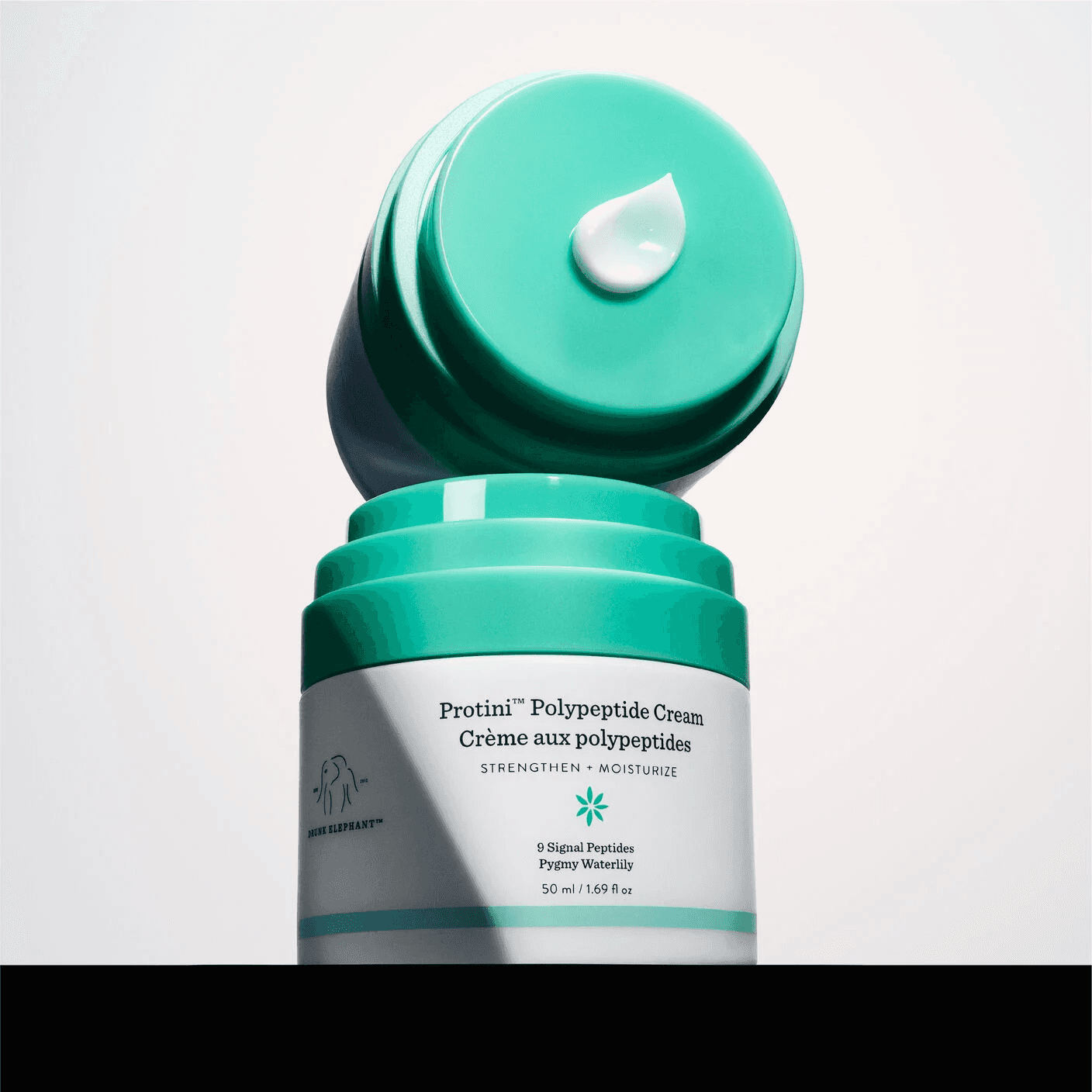
Airless Pumps: Airless dispensers are no longer a premium signal, but becoming table stakes for any formula with antioxidants, retinoids, or preservative-free actives. Eliminating headspace means cutting off oxygen contact and pump-back contamination. The format has also grown up: major suppliers now offer refill-compatible airless lines, so the protection story and the sustainability story finally point in the same direction.
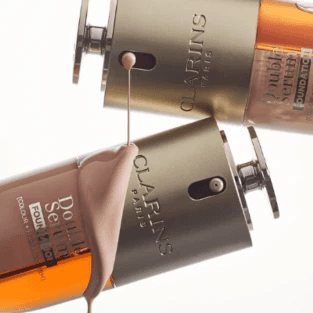
Dual-Chamber Formats: Dual-chamber formats solve a different problem. Some actives are chemically incompatible or volatile (think Vitamin C, peptides, exfoliants, and retinol). Keeping them isolated until dispense makes combinations possible that would otherwise be impossible to stabilize. What started in clinical and professional skincare is moving into mass and prestige as ingredient-literate consumers stop accepting "just trust us" formulation claims.
Accessible by Design
The WHO estimates 1.3 billion people globally live with a significant disability. The 2025 SeeMe Inclusivity Index found 22% of beauty brands are actively designing with disability in mind, which is up from 11% in 2023. Progress, but still a minority position in an industry that has historically designed past this audience entirely. Here are a few trends we’re seeing catch on:
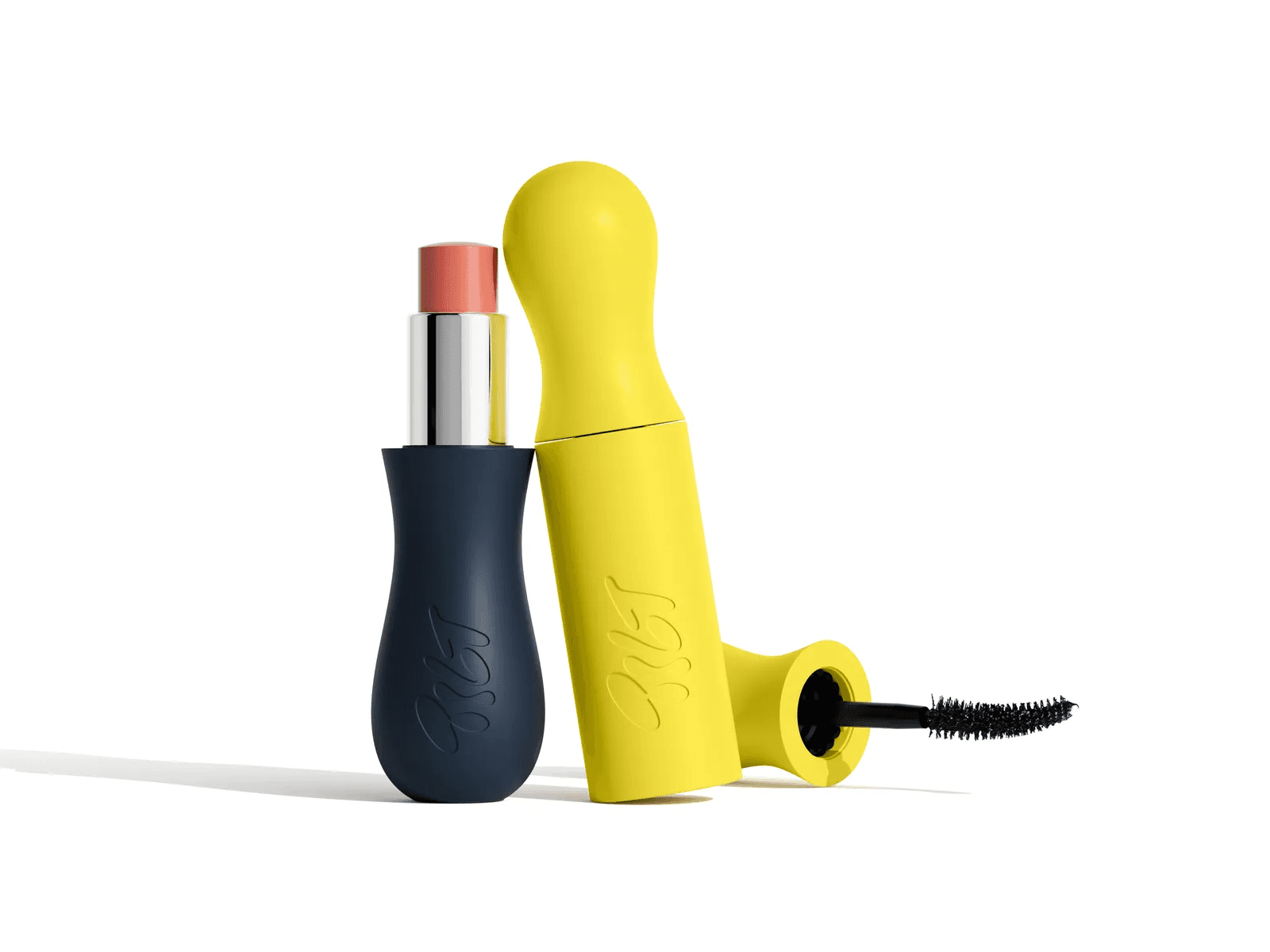
Ergonomics and Easy-Open Closures: Rubber-coated grips, wider caps, and magnetic closures address the most common barrier: limited hand strength and dexterity. The fixes don’t have to be complicated. Magnetic closures in particular allow one-handed operation and a tactile confirmation of closure, benefits that extend to anyone applying makeup on the move.
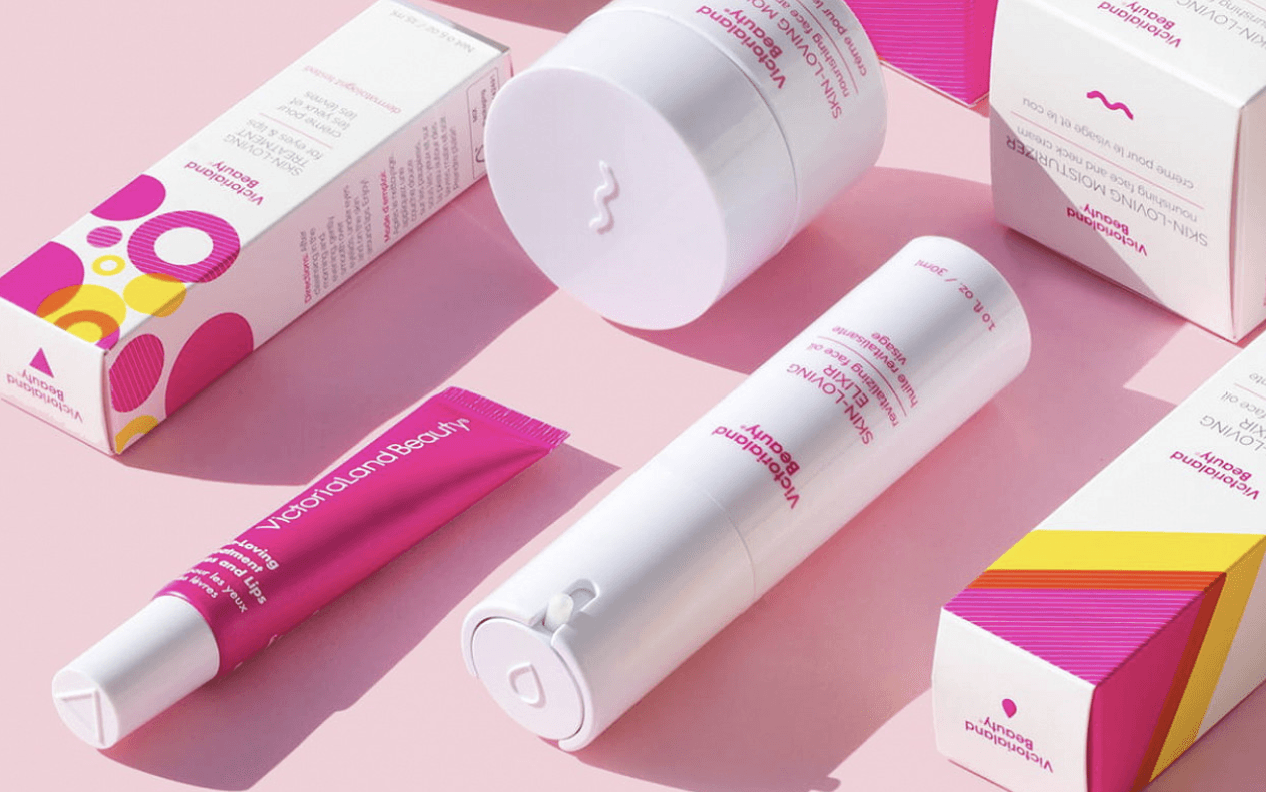
Sensory and Visual Aids: Tactile differentiation is one of the most underused tools in packaging. We’re seeing surface texturing during molding to differentiate products in a line, along with embossed Braille wordmarks and numbered dot systems for routine sequencing. Good inclusive design helps everyone. That’s not a value statement. It’s a design principle.
Sustainability With Teeth
Sustainability claims in beauty packaging have outrun outcomes for years. That gap is closing, not because brands became more virtuous, but because regulation and supply chain economics are forcing accountability. The question is no longer whether to act, but how.
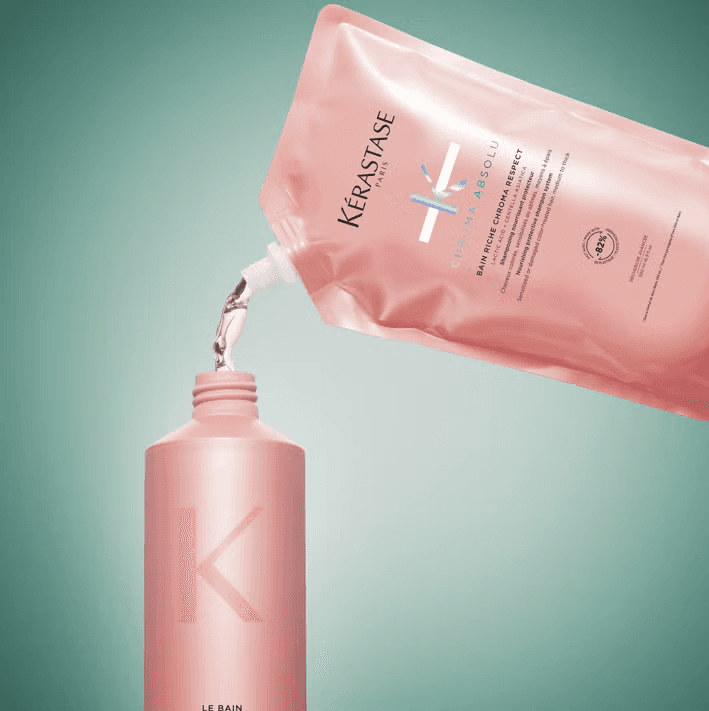
Refillable Systems: Refill is no longer a niche play. The upfront engineering investment is real, but per-unit economics improve significantly at scale. These savings can also be passed on to loyal customers. A win for the environment, for the brand, and for the user.
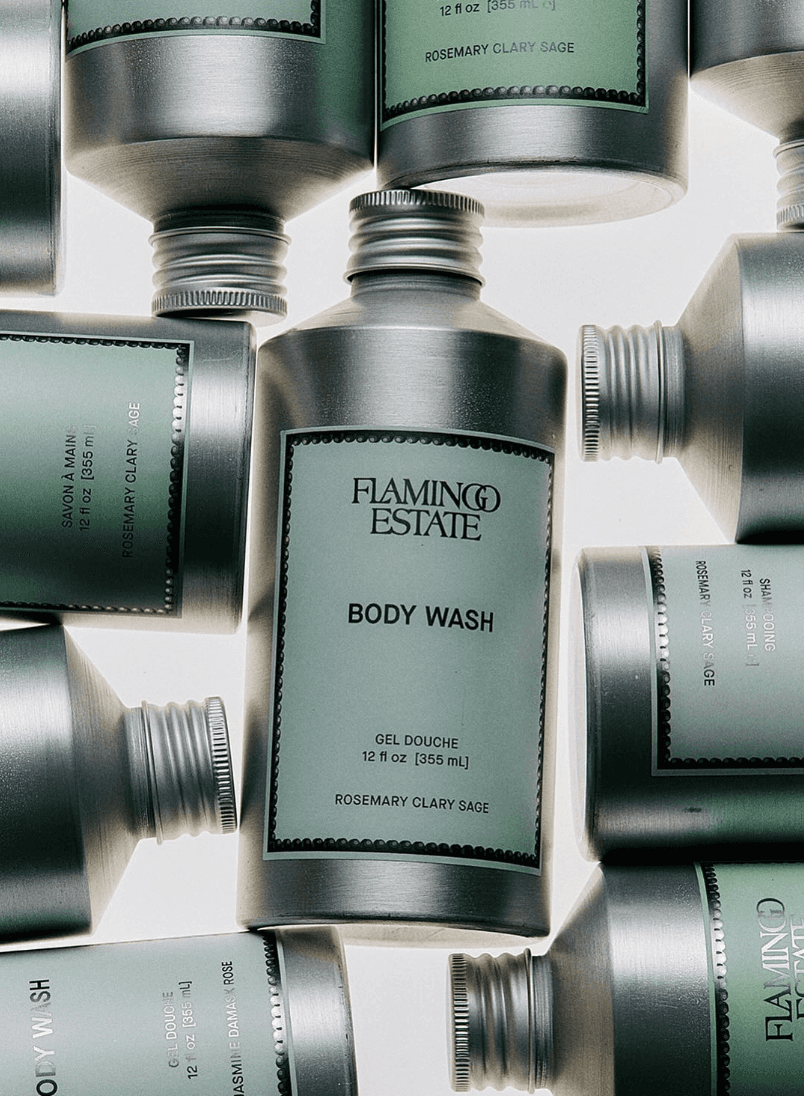
Aluminum: Aluminum had a breakout moment in 2025 and isn't slowing down. It's infinitely recyclable without quality degradation, genuinely plastic-free, and takes premium finishes well. It's also a premiumization signal, which means the sustainability case and the brand equity case are finally the same case.
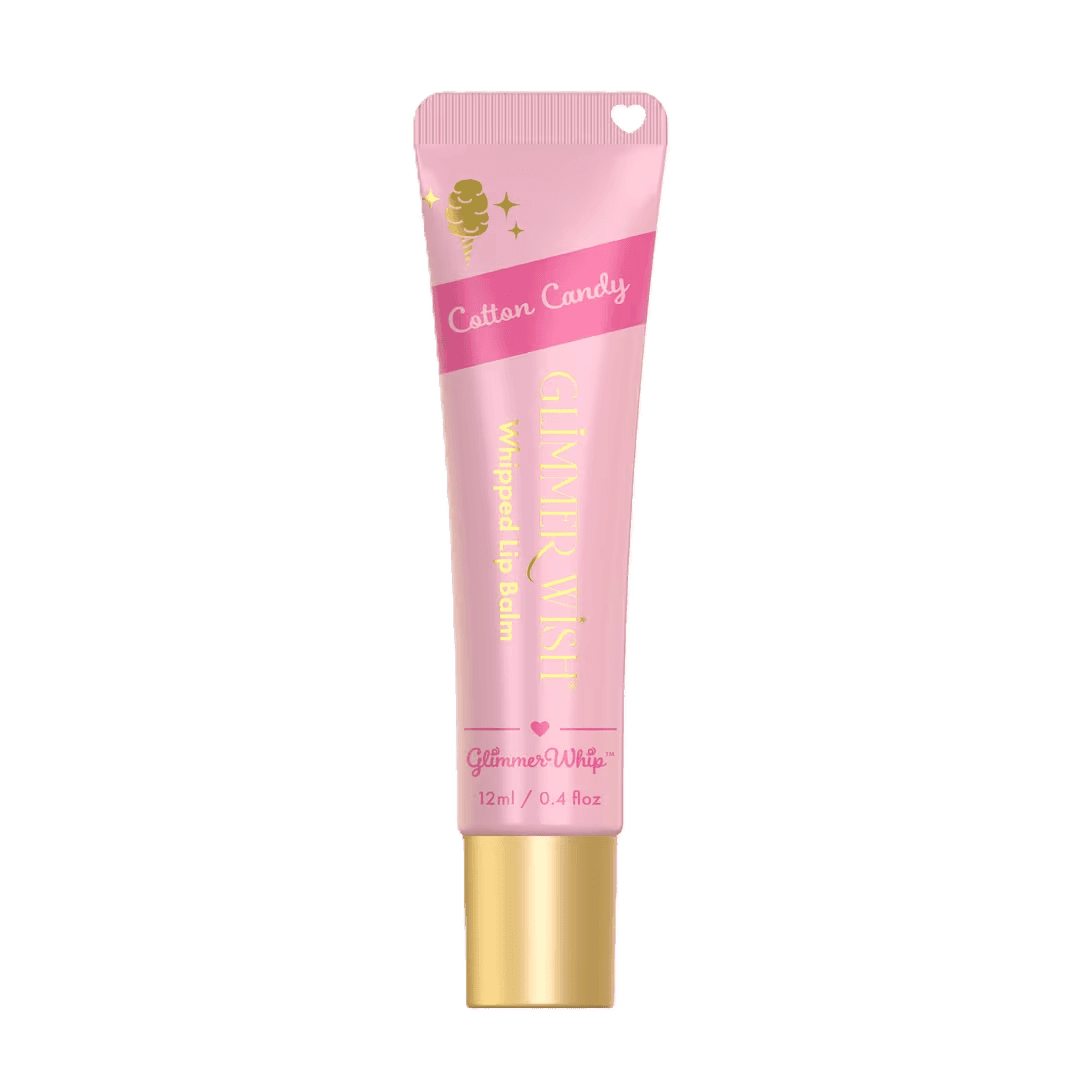
Mono-Material: Mono-material construction is less glamorous but more important than it gets credit for. A tube made from a polypropylene cap, polyethylene body, and foil laminate shoulder cannot be recycled as a unit. Designing in a single material class throughout solves this. It requires upfront engineering investment. It is worth it.
The Brief Has Changed
None of these innovations are new in isolation. What has changed is the expectation that they work together.
A refillable aluminum tube can also be mono-material, or an airless format can support a refill subscription. The packaging decisions that hold up are the ones where sustainability, functionality, and accessibility reinforce each other: not trade off against each other.
Packaging that does all of this well is engineered, not assembled. If you want to dig into what's actually feasible for your next format, talk to our team →


