Your packaging is one of your strongest marketing assets. Here's why.
Packaging gets the marketing treatment at launch. Materials debated, finishes deliberated, messaging obsessed over. Then a brand scales, SKUs multiply, compliance requirements stack up, and cost pressure becomes constant. Somewhere in that transition, packaging stops being a brand decision and starts being an operational one (and nobody quite notices when it happens).
If you think this is happening to your brand, it is worth catching. Packaging plays a role in the customer’s journey at every touchpoint, not just at purchase, and most of those touchpoints are ones a brand can actually control.
Here's what that journey actually looks like, and where packaging is doing more work than most brands give it credit for.
On the shelf: three seconds to earn attention
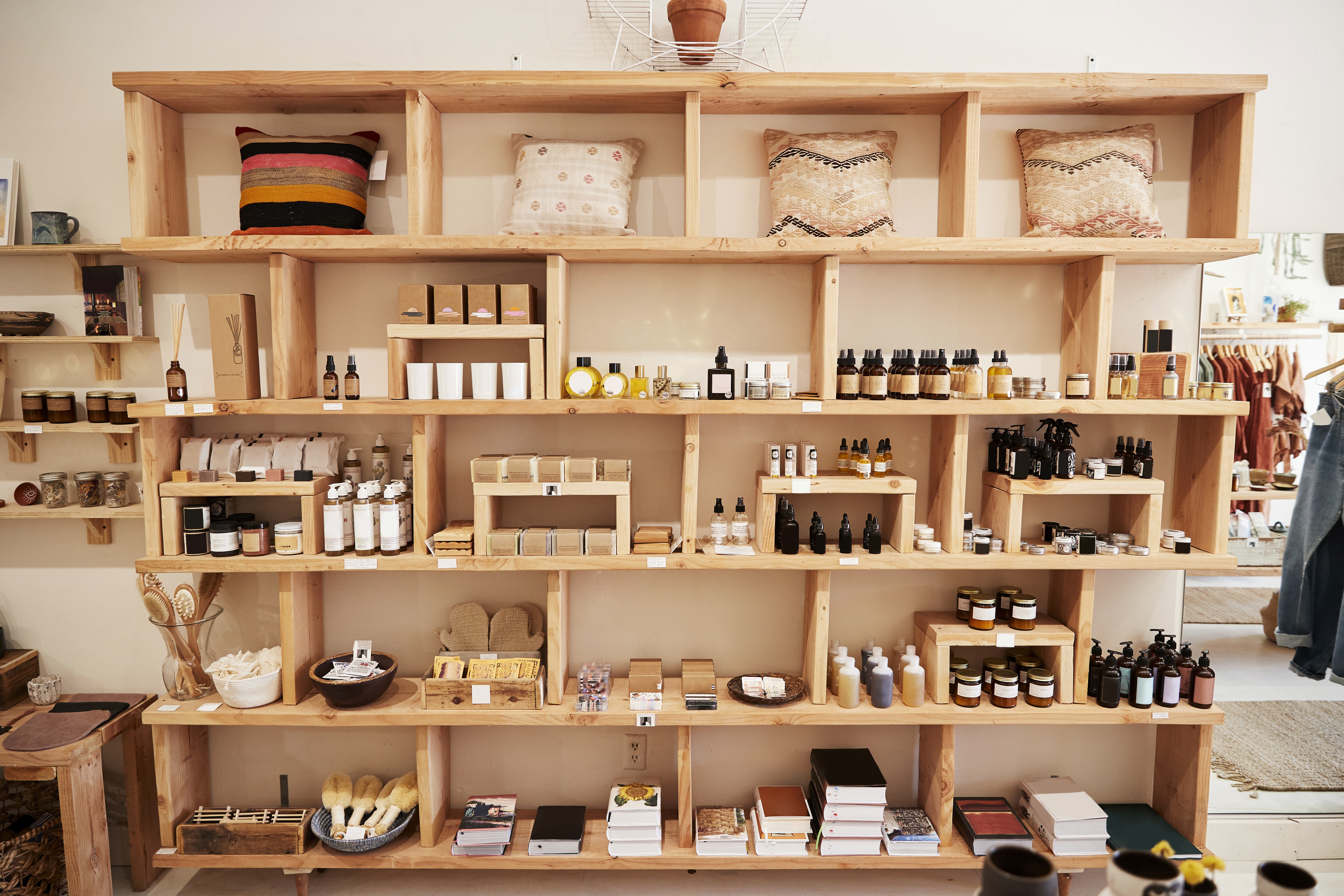
76% of buying decisions are made in-store, and 70% of brand choices happen at the shelf rather than before the consumer arrives. There's no salesperson, no algorithm, no moment to tell your story, just product next to product and a consumer moving past.
The packaging consideration here is visibility and signal clarity. Which means elements like a dominant color, legible form, clear brand identity, immediate product identification are all important, but not all competing for attention at once. Sequence and hierarchy is important here so the eye knows where to land first.
Prioritize a single leading visual element that can stand out in its space, and while messaging hierarchy is important it’s also important that some details can be read at distance. Shelf recognition builds slowly and consistency is part of the strategy.
They pick it up: what the package says before they read a word
72% of consumers say packaging design influences their purchase decisions and 67% say packaging materials do. That signal happens before a single claim is read. Weight, material, texture, and structure are all communicating something the moment a product is lifted off the shelf.
The packaging consideration here is alignment between physical experience and price positioning. A product at a premium price point in packaging that doesn't feel premium creates a disconnect the consumer feels immediately. The consumer's instinct does the math before their conscious mind does, and that instinct is hard to override with copy or marketing spend.
Think about how Manuka honey brands have to solve this problem. A $40 jar sitting next to a $6 jar of grocery honey has no salesperson to explain the difference. The weight of the glass, the quality of the label, the finish on the lid: those elements have to carry the price justification before the consumer reads a single word about MGO ratings or New Zealand sourcing. Brands that get this right sell. Brands that put premium products in packaging that feels ordinary watch shoppers put it back.
Prioritize material weight and finish that matches the product's price tier, structural integrity that holds up through retail handling, and tactile details used deliberately where they reinforce the quality signal.
They compare it with what's next to it
The shelf comparison moment is one of the highest-leverage touchpoints in the entire marketing mix.A consumer holding two products is doing a rapid side-by-side evaluation, and on-pack copy is often what closes it.
The packaging consideration here is how effectively back-of-pack converts interest into purchase. A consumer who's reading the back panel is already close. What the brand says at that moment, and how it says it, determines whether they put it back or put it in the cart.
Prioritize leading with your most differentiated claim, not your most obvious one. Certifications, origin details, ingredient quality, and sustainability credentials aren't compliance text (though they sometimes may be), but rather they're selling points. The package that tells its story most legibly usually wins the comparison, not the one making the most claims.
They buy it, open it, use it
Videos with "unboxing" in the title accumulated more than 25 billion YouTube views in a single year. The opening of a package is one of the most-watched consumer moments in existence, which means it's also one of the most consequential brand moments a product creates.
The packaging consideration here is whether the physical brand experience holds up at the moment of delivery. How a package opens communicates something about what the brand values: whether it shows up fully or treats the last mile as pure logistics.
But the first open is only the beginning. The more consequential test is what happens on the tenth use.
A pump that seizes. A dropper that pulls air. A resealable pouch that stops resealing. These don't show up in 1-star reviews about packaging. They show up as customers who quietly don't reorder. Packaging friction is one of the most reliable churn drivers in CPG, and one of the least-tracked ones.
We saw this firsthand with Fly By Jing. Their sauce jars were experiencing leakage issues, the kind of problem that doesn't announce itself loudly but erodes the customer experience every time it happens. We worked through the closure specs and resolved it. The product inside hadn't changed. But the experience of buying it, opening it, and using it had.
This gets worse when brands expand into retail. A closure that survives a controlled DTC environment may not survive being restocked ten times on a shelf or dropped in a gym bag. The distribution channel changes the physical demands. Most brands don't revisit specs when they make that move.
Prioritize functional performance through the life of the product, not just the unboxing moment. The packaging that earns a repeat purchase is the one that still works on day 60.
It sits on a counter, in a cabinet, in a gym bag
The average beauty and supplements consumer sees their product 30-60 times between purchases, depending on the product size. Every one of those exposures is a brand impression, seen repeatedly by the person who bought it, and by anyone who moves through their space.
The packaging consideration here is ambient presence. A product that lives on a bathroom counter, a desk, or a kitchen shelf is doing promotional work every day without any incremental spend, or it's doing the opposite.
Some brands have made this a deliberate part of the product design. AG1's canister and Seed's probiotic jar are both products people keep out, not because they have to, but because the packaging looks intentional sitting next to other objects in a home. That kind of ambient presence doesn't happen by accident. It's the result of designing for the full experience, not just the shelf moment.
Ask whether the package looks intentional sitting next to other objects in someone's home. Secondary packaging, labels, and cap or closure design all contribute to this. The brands that get it right turn every kitchen counter and bathroom shelf into unpaid media.
Why this is worth revisiting
None of this is new information. Most brand operators already know packaging matters: they proved it at launch.
The question isn't whether packaging plays a role in the marketing mix. It's whether it's still being evaluated on that basis as the brand grows, or whether it's been handed off to operations and left there. Compliance requirements change. Cost inputs shift. Suppliers turn over. Any of these can move packaging in a direction that makes sense on a spreadsheet and quietly erodes something that was working.
Catching that drift means asking the marketing questions again: Does this communicate who we actually are? Does it look like what it costs? Does it do its job everywhere the customer encounters it?
Those questions don't stop being relevant after launch. The brands that keep asking them tend to notice when the answers have changed, before the market does.
Want to discuss your packaging strategy? Whether you’re navigating a rebrand, a retail expansion, or the pressures of EPR and tariffs, our team is always happy to get into it. Talk to us →


