PCR Doesn't Have to Feel Cheap

A packaging brief lands on your desk with a mandate to increase recycled content, and the first objection in the room is rarely about cost. It's about whether the finished product will look like a compromise. Post-consumer recycled resin, or PCR, still carries a reputation for dull color, inconsistent gloss, and a bottle that reads as budget instead of premium. That reputation is outdated. The materials, the decoration methods, and the design discipline available today make a premium finish on recycled packaging a real result, not a marketing stretch, once a brand knows what actually controls the outcome.
Short answer: PCR doesn't look cheap. Poorly specified PCR does.
We touched on some of the formats reshaping beauty packaging's sustainability story in an earlier piece on where the category is heading. This one goes further into the question that comes up in nearly every early conversation about recycled content: can it actually look expensive, and what does that take?
Why Recycled Plastic Got a Cheap Reputation in the First Place
The reputation isn't baseless. Post-consumer resin carries the residue of its previous life. Color and clarity shift depending on the source stream, and a container molded from a high percentage of unsorted PCR can come out with a gray or yellow cast that no colorant fully hides. Early adopters of recycled content often used whatever PCR was cheapest and most available without controlling for source stream or blend ratio, and the resulting packaging looked exactly as compromised as the reputation suggests.
That was a sourcing and design problem, not a ceiling on what PCR can do. The industry's own recyclability standards treat appearance as a defined, manageable variable rather than an unavoidable trade-off. The Association of Plastic Recyclers, the nonprofit trade group whose design guidance most reclaimers work against, specifies color and reflectance thresholds for colored resin (an L value above 40, or average near-infrared reflectance above 10%) that keep it sortable and usable in future recycling streams. Appearance isn't an afterthought in the recycling system. It's a spec.
What Actually Controls a Premium Finish
Three levers determine whether a PCR package reads as premium or as a compromise, and none of them are exotic.
Blend ratio. Pairing PCR with a percentage of virgin resin lightens tint and improves clarity. The right ratio depends on the container's wall thickness and end use, not a fixed industry number: a dropper bottle asking for glass-like clarity needs a different approach than an opaque jar.
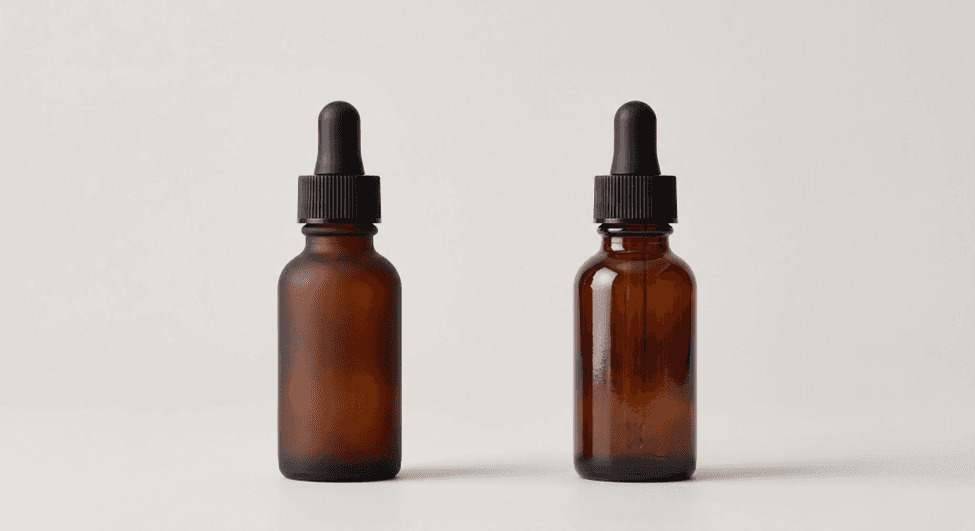
Color strategy. Rather than fighting the natural tint, the strongest designs work with it. Deep, saturated colorways such as charcoal, deep amber, or forest green hide variation that a pale pastel would expose immediately. Pigment selection and masterbatch quality matter more here than PCR percentage alone.
Decoration method. Soft-touch coatings, matte finishes, spot UV, hot stamping, and embossing or debossing all perform on PCR substrates. A soft-touch matte finish in particular reads as more premium on recycled resin than a high-gloss finish, which tends to expose the surface inconsistency that gloss was supposed to hide in the first place.
None of these require a proprietary material or a single-source supplier. They require a development process that treats finish as a design variable to be solved, not a risk to be absorbed. That's the same discipline behind the idea that the unit price is the least important number in a packaging program: the number that actually matters is the one nobody puts on the quote.
The material was never the ceiling. The spec was.
The Compliance Layer Nobody Budgets For
For any packaging with food or cosmetic contact requirements, there's a regulatory layer underneath the aesthetic one. The FDA doesn't pre-approve individual products made from recycled resin, but it does review the recycling process itself. A recycler can submit its process for evaluation, and if the FDA finds no issue, it issues a No Objection Letter, or NOL, confirming that process produces material suitable for its intended contact use (FDA, Guidance for Industry: Use of Recycled Plastics in Food Packaging, originally issued August 2006, revised July 2021). The NOL belongs to the resin producer or recycler that submitted the process, not to the brand or the agency sourcing the material.
What we can speak to directly is the sourcing side. Specifying and sourcing PCR resin with an NOL-cleared process behind it, rather than resin with no traceable process at all, is part of how we scope a redesign before it reaches tooling. A sustainability claim that can't survive a question about where the resin came from isn't a claim worth making.
A Worked Example
Consider a growth-stage skincare brand moving a hero SKU's dropper bottle to a high-PCR-content resin without wanting to lose the deep amber colorway that anchors its shelf identity. The color choice does most of the work on its own: amber already masks the tint variation that would be obvious in a clear or pastel bottle. Add a soft-touch matte finish, which reads as more premium than gloss, not less, and a blend ratio held tight where the cap meets the shoulder, the one spot a customer actually inspects before buying, and the result doesn't read as a sustainability compromise. It reads like the more expensive option, which is usually the point.
The Real Question Isn't “Does PCR Look Cheap.” It's “Who Specced It.”
The material was never the variable that decided premium or cheap. The decisions upstream of it did: blend ratio, color strategy, decoration method, resin traceability. Two brands can use the identical PCR resin and land on two entirely different shelf outcomes, and the difference has nothing to do with the resin itself.
That's the same distinction that separates a vendor relationship from a product decision. A vendor fills the spec you hand them. A partner tells you which spec decisions actually determine the outcome before you've committed to tooling.
If your next packaging redesign needs to hit a recycled-content target without losing shelf presence, talk to our team about a PCR-compatible redesign →


