Cannabis Packaging Laws by State: What Brands Must Know in 2026
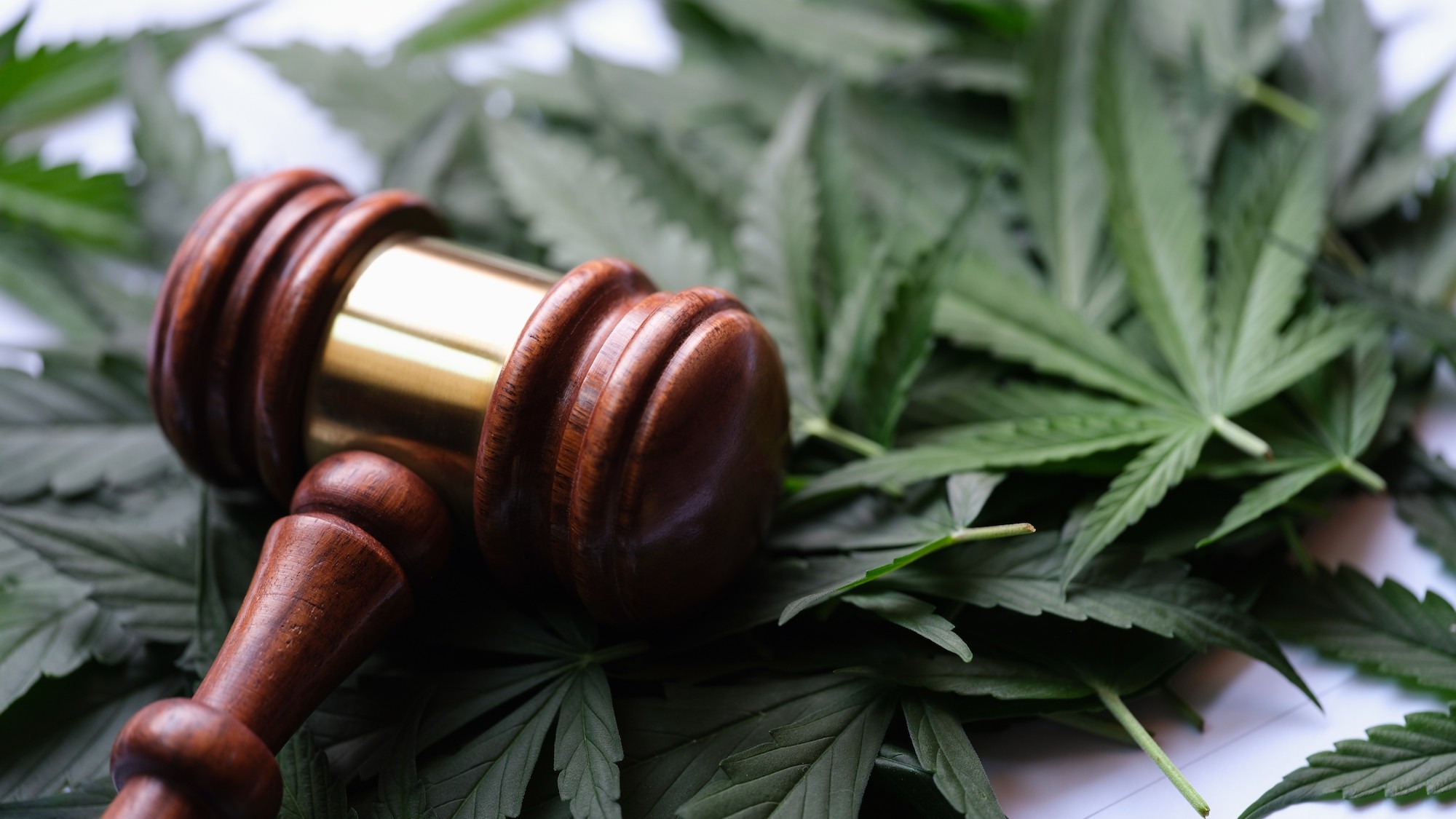
Child-resistance requirements, labeling mandates, opacity rules, and now EPR compliance: cannabis packaging has never had more regulatory layers. Here's where things stand.
Cannabis packaging sits at a complicated intersection of state law, public health regulation, and now environmental compliance. For brands operating across multiple states (or planning to) the patchwork of packaging requirements is one of the more operationally demanding aspects of the business.
This isn't a static picture. State programs are updating their rules, EPR compliance is adding a new dimension to packaging decisions that previously didn't exist, and the child-resistance (CR) engineering landscape is actively evolving. Here's what you need to know heading into 2026.
The foundational requirement: child-resistant packaging
Child-resistant packaging is the baseline requirement across all legal cannabis markets. The Poison Prevention Packaging Act (PPPA) framework applies federally, and every state cannabis program has its own CR requirements layered on top of it. The core standard is to provide packaging that can resist opening by children under age five while remaining accessible to adults. This is consistent, but the specific testing, certification, and documentation requirements vary by state.
What's consistent is that CR requirements have historically pushed cannabis brands toward multi-layer flexible formats, because the laminates and foil-backed pouches that are difficult for small children to open. Those formats work from a CR engineering standpoint. They're a problem from an EPR compliance standpoint.
The good news is that this tension is driving genuine innovation. CR-compliant alternatives that don't default to multi-layer laminates are emerging, and the formats that work for both compliance frameworks are getting more commercially viable. It's not a fully solved problem yet, but the direction is clear.
State-by-state packaging requirements: what's in play in 2026
Below is a working overview of the major cannabis market packaging requirements. This is intended as a reference starting point: state programs update frequently, and any specific compliance determination should be verified with current state guidance and qualified counsel.
State | Key Packaging Requirements | Status / Notes |
California | Child-resistant and tamper-evident. Opaque packaging required for some cannabis products. Exit packaging required at point of sale. Re-sealable if more than one serving. Must not resemble food packaging attractive to children. | Active |
Colorado | CR packaging required. Opaque and re-sealable for multi-serving products. Plain packaging requirements restrict imagery that appeals to minors. Limited to 100mg THC per package (edibles). | Active & has live EPR regs |
Illinois | CR and tamper-evident required. Opaque packaging. Re-sealable for multi-use. Labeling must include cannabinoid content, health warnings, and universal symbol. Serving size disclosure required. | Active |
Michigan | CR and tamper-evident required for all cannabis products. Re-sealable for multi-serving. Opaque. Packaging must not be appealing to minors: no cartoons, bright colors or imagery associated with childhood. | Active |
Nevada | CR required. Tamper-evident. Opaque or light-resistant. Re-sealable if multiple servings. Childproof exit bags required at dispensary. Labels must display THC/CBD content per serving. | Active |
New York | CR and tamper-evident required. Opaque packaging. Re-sealable for multi-serving products. Packaging must not depict consumption, use cannabis imagery attractive to minors, or resemble non-cannabis consumer brands. | Active |
New Jersey | CR required. Opaque and tamper-evident. Re-sealable if multi-serving. Labels must include licensed producer info, cannabinoid profile, batch number, and health warnings. Universal symbol required. | Active |
Arizona | CR and tamper-evident. Opaque. Re-sealable for multi-serving. No marketing attractive to minors. Health and safety warnings required on label. | Active |
Massachusetts | CR required. Tamper-evident. Opaque packaging. Resealable for multiple uses. Must not be appealing to minors. Labels must list ingredients, allergens, and THC/CBD content. | Active |
Oregon | CR and tamper-evident required. Opaque. Re-sealable for multi-serving. Oregon has one of the more detailed labeling frameworks (requires cannabinoid content by serving, net weight, and OLCC-required warnings) EPR program is now live: multi-layer flexible formats carry Malus surcharges. | Active & has live EPR regs |
Washington | CR required. Opaque and tamper-evident. Re-sealable for multiple servings. Strict labeling requirements including serving size, THC/CBD content, producer license number, and health warnings. | Active |
Minnesota | CR and tamper-evident required for adult-use products. Opaque packaging. Re-sealable for multi-serving. Products may not be in a form attractive to minors. Edibles restricted to 5mg THC per serving. | Adult-use legalized in 2023 / evolving rules |
Maryland | CR and tamper-evident. Opaque. Re-sealable for multi-serving. Labels must include batch/lot number, harvest date, cannabinoid profile, and MMCC-required warnings. | Adult-use legalized in 2023 |
Missouri | CR and tamper-evident required. Opaque and single color. Resealable for multiple uses. Labels must include cannabinoid content, licensed producer information, and compliance with DHSS label requirements. | Adult-use legalized in 2023 |
Note: Medical cannabis programs in states without adult-use markets have their own CR and labeling frameworks. Requirements for medical-only markets often differ from adult-use in meaningful ways.
The EPR layer: where cannabis packaging compliance gets more complex
Oregon's EPR program launched July 1, 2025, and cannabis brands selling in Oregon now sit at the intersection of two regulatory frameworks that were designed independently of each other and in some cases, point in opposite directions.
The CR requirement pushes toward multi-layer flexible formats. For example, even if we have a jar, it's likely the cap and CR closure component could be different materials (which would not qualify for any EPR bonuses). Oregon's eco-modulation framework penalizes those same formats. Brands that are compliant with Oregon's cannabis packaging rules may be paying maximum EPR surcharges for the privilege.
Colorado's EPR program is also live as of January 2026, with the same eco-modulation structure. California's program launches January 1, 2027.
As EPR fee exposure on multi-layer flexible formats rises, there is increasing commercial pressure to develop CR-compliant alternatives that don't carry a Malus penalty (and that engineering work is actively underway).
The near-term practical question for cannabis brands in EPR states is whether there are product lines or SKU categories where a format transition is feasible. Not every product will have an immediate alternative as the CR engineering has to work first. But for brands with diverse format mixes, there may be SKUs where a move to a mono-material PE pouch or a rigid CR container is viable in the current cycle and generates meaningful EPR fee savings.
Labeling requirements: the other layer of complexity
Beyond packaging format, cannabis labeling requirements are among the most detailed and state-specific in consumer goods. What's required on a label in California differs from Oregon differs from New York, and the consequences of non-compliance range from product recalls to license suspension.
What this means for multi-state operators
For brands operating in multiple cannabis markets, the packaging compliance picture is genuinely complex. A package design that's compliant in Colorado may require modification for California. A label that works in Illinois needs different warning language in New York. Managing this at the SKU level is a project that works to look across a full product range, across multiple states, and can be a significant operational challenge.
The brands that handle this best tend to do a few things:
Design to the most demanding standard. Rather than maintaining state-specific packaging SKUs, building to the most stringent requirement across all markets (typically California, given its specificity on opacity, serving size disclosure, and minor-appeal restrictions) simplifies operations even if it slightly over-complies in other markets.
Maintain a living compliance matrix. State requirements change. A static reference document goes stale. Brands that maintain a tracked, updated matrix of requirements by state, and build that update process into their packaging review calendar to avoid the expensive surprises.
Build EPR into the packaging specification process now. For brands in Oregon, Colorado, and anticipating California 2027, packaging specifications should include eco-modulation grade as a design criterion alongside CR performance, opacity, and label real estate. The brands that integrate these requirements now will have less retrofitting to do later.
The format evolution to watch
The packaging format landscape for cannabis is more dynamic right now than it's been in years. The pressure from EPR compliance is driving investment in alternatives: CR-capable rigid containers that use mono-material structures, improved exit bag formats with better recyclability profiles, and innovative pouch designs that address the laminate problem.
We're tracking this development closely. The formats that solve both the CR requirement and the EPR compliance requirement are the ones that will define the next generation of cannabis packaging. Some are already commercially available. Others are 12–18 months from broad market readiness.
Cannabis packaging compliance in 2026 requires holding the CR requirement, state labeling law, and EPR compliance together in a single design decision. That's a more complex brief than it used to be, and it's one we work through with our cannabis clients regularly.
Talk to our team about cannabis packaging compliance → Let's Build |
Note: This post is intended as a general reference and does not constitute legal or regulatory advice. Cannabis packaging requirements vary significantly by state and are subject to change. Please verify current requirements with state-specific guidance and qualified regulatory counsel.


